Dark Retail: Black Metal Track Light Display
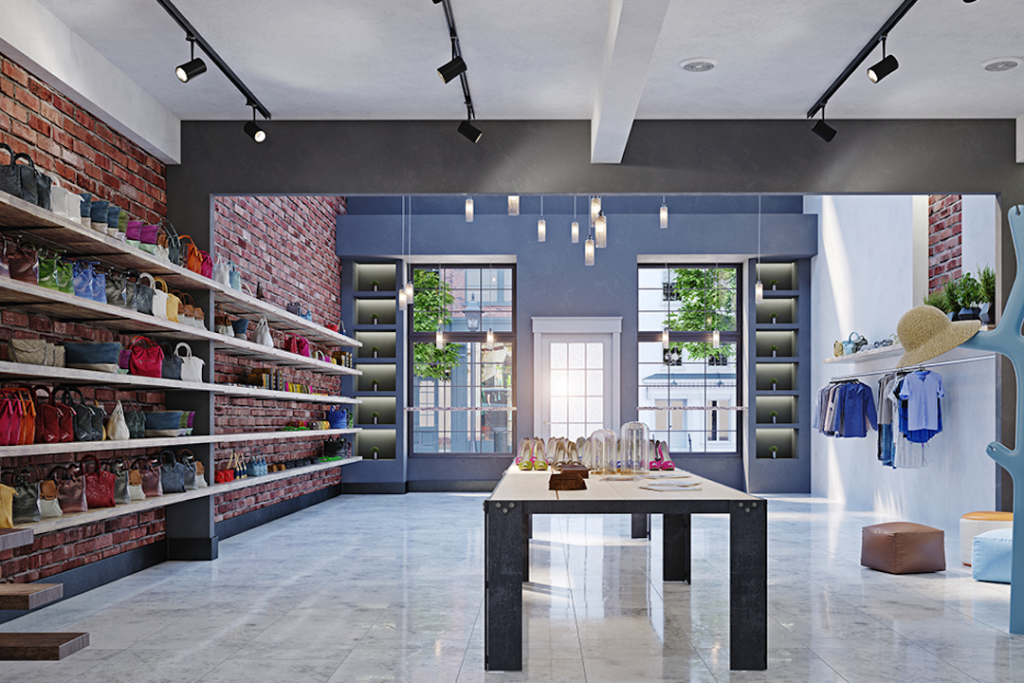
Let’s dive into the world of “Dark Retail” and explore how black metal track lighting can really transform a retail space. Simply put, “Dark Retail” is about creating a deliberate, impactful atmosphere by using darker tones, materials, and specific lighting to highlight products and evoke a certain mood. Black metal track lighting plays a pretty crucial role in this, offering both aesthetic appeal and practical functionality that aligns perfectly with this design philosophy. It’s not just about making things dim; it’s about making things dramatic.
“Dark Retail” isn’t just about painting everything black and calling it a day. It’s a strategic approach to retail design that leverages a moody, often minimalist aesthetic to create a unique shopping experience. Think sophisticated, edgy, and sometimes even a little mysterious. The goal is to draw customers in, encourage exploration, and make the products feel more exclusive and special. It’s about creating an atmosphere that resonates with a particular brand identity or product line.
Beyond Black Walls
While black or dark grey walls are a common element, Dark Retail goes much deeper. It involves:
- Careful Material Selection: Think raw concrete, dark wood, exposed brick, and of course, black metal fixtures. These materials contribute to a tactile, authentic feel.
- Strategic Lighting: This is where black metal track lights Idoraliving truly shine (pun intended). Lighting is critical for defining spaces, highlighting products, and setting the overall tone.
- Minimalist Merchandising: Fewer items, displayed thoughtfully, can often make a bigger impact than an overcrowded display. It’s about quality over quantity.
- Emphasis on Texture: Darker palettes can sometimes feel flat, so incorporating various textures through materials like velvet, leather, or even textured wall treatments adds depth and interest.
Why Go Dark?
You might wonder why a retailer would intentionally choose a ‘dark’ aesthetic when many traditional stores aim for bright, airy spaces. The reasons are pretty compelling:
- Brand Differentiation: In a crowded market, Dark Retail helps a brand stand out. It creates a memorable impression that can’t be achieved with a generic bright store.
- Perceived Value: Darker, more curated environments can elevate the perceived value of products. Items displayed in such a setting often feel more luxurious or high-end, even if they aren’t exorbitantly priced.
- Enhanced Focus on Product: With less visual clutter and distractions, the product itself becomes the star. Strategic lighting ensures that specific items pop against the darker backdrop.
- Creating an Experience: Shopping isn’t just about buying; it’s about the entire experience. Dark Retail can foster a more intimate, immersive, and even transformative journey for the customer.
- Targeting Specific Demographics: Certain brands, especially those in fashion, tech, or lifestyle, resonate deeply with an audience that appreciates this aesthetic.
The Power of Black Metal Track Lighting
Now, let’s get into the nitty-gritty of why black metal track lighting is such a perfect match for the Dark Retail philosophy. It’s more than just a light fixture; it’s an integral design element.
Aesthetic Harmony
Black metal track lights just look right in a dark, industrial, or modern retail setting.
- Seamless Integration: Their dark finish means they often recede into the architectural background, especially against dark ceilings or walls. This allows the light itself to be the focal point, not the fixture.
- Industrial Chic Appeal: The material itself, black metal, brings a raw, industrial, and contemporary edge that complements exposed concrete, brick, and minimalist designs. It’s not trying to hide; it’s part of the show.
- Modern Versatility: Whether a store leans urban, sophisticated, or even a bit gothic, black track lighting can adapt. Its clean lines and unfussy design ensure it fits without clashing.
- Visual Weight: While blending in, the inherent visual weight of black also adds a sense of solidity and purpose to the lighting design. It feels deliberate and strong.
Functional Flexibility
Beyond just looking good, track lighting specifically offers remarkable versatility that’s crucial for retail.
- Directional Control: Each light head on a track can be individually aimed, rotated, and focused. This is a game-changer for highlighting specific merchandise, displays, or architectural features.
- Adaptability to Changes: Retail displays are rarely static. With track lighting, you can easily reposition light heads when new collections arrive, promotions change, or layouts are reconfigured, without needing an electrician.
- Layered Lighting: Track systems allow for different types of light heads (spotlights, floodlights, wall washers) to be used on the same track, enabling the creation of complex and layered lighting schemes.
- Scalability: You can extend tracks, add more heads, or even create elaborate grids as your store evolves or expands. It’s a system that grows with your needs.
Designing with Black Track Lights: Key Considerations
Putting together an effective lighting plan isn’t just about throwing up some lights. For Dark Retail, it requires a thoughtful strategy.
Illumination Strategy
The way you light products in a dark space is entirely different from a brightly lit one.
- Accent Lighting is King: In Dark Retail, you’re not trying to flood the entire space with even light. Instead, you’re looking to create dramatic contrasts. Use track lights to create strong accents on specific products, making them stand out sharply from the darker background.
- Creating “Hot Spots”: Think about creating inviting puddles of light – these are your “hot spots.” They draw the eye and guide the customer through the store, from one highlight to the next.
- Shadow Play: Don’t fear shadows; embrace them. Shadows add depth, drama, and a sense of mystique. Carefully placed track lights can create intriguing shadow patterns that enhance the overall atmosphere.
- Minimizing Glare: With darker surfaces absorbing more light, minimizing glare from your fixtures is critical. Ensure lights are aimed carefully and consider accessories like baffles if needed.
Light Temperature and Beam Angle
These two factors profoundly impact the mood and how products appear.
- Color Temperature (Kelvin):
- Warm White (2700K – 3000K): Creates a cozy, inviting, and intimate atmosphere. Ideal for fashion, home goods, or products that benefit from a comforting glow. Think boutique apparel or a sophisticated bar.
- Cool White (4000K – 5000K): More crisp and energetic. Good for tech, jewelry, or products where color accuracy is paramount. It can feel more modern and less “moody” but can still work if balanced with darker tones.
- Neutral White (3500K – 4000K): A good middle ground, offering clarity without being too warm or too cool. Often a safe bet if you’re unsure.
- Recommendation: For most Dark Retail applications, warmer temperatures tend to align better with the desired sophisticated and intimate mood.
- Beam Angle:
- Narrow Beam (10-20 degrees): Creates a sharp, focused spot. Excellent for highlighting small, valuable items like jewelry or a single, hero product. Generates strong contrast and deep shadows.
- Medium Beam (25-40 degrees): A versatile choice for general accent lighting, highlighting mannequins, display shelves, or larger product groupings. Provides good punch without being overly theatrical.
- Wide Beam (45+ degrees): Used for washing larger areas, wall grazing, or providing a softer, more diffused light. Less common as a primary accent in Dark Retail but can be useful for ambient lighting in larger dark spaces.
- Recommendation: A mix of narrow and medium beams will likely give you the most flexibility to create impactful contrasts and highlights.
Placement Matters
Where you put the track makes all the difference.
- Ceiling Placement: The most common approach. Tracks mounted on or recessed into the ceiling offer broad coverage and flexibility. The height of the ceiling will dictate the track length and required lumen output of your fixtures.
- Wall-Mounted Tracks: Less conventional but can be incredibly effective for lighting specific wall displays, signage, or creating a linear wash effect. It adds another layer of visual interest.
- Track Patterns: Don’t just run parallel lines. Consider grid patterns, L-shapes, or even more abstract configurations to define zones and add visual dynamism. This is particularly important with more industrial-looking tracks.
- Proximity to Product: The closer the light source is to the product, the more dramatic the highlight will be. However, be mindful of heat (less of an issue with LED) and potential glare.
Practical Considerations and Installation Tips
Beyond the design, there are some very real, practical aspects to think about when implementing black metal track lighting.
System Components and Types
Understanding the different parts of a track lighting system will help you make informed decisions.
- Track Lengths: Available in standard lengths (2ft, 4ft, 8ft) that can be cut to size or joined together with connectors.
- Connectors: Used to join track sections (straight, L-shape, T-shape, X-shape) and allow for complex layouts.
- Power Feeds: How power gets to the track. End feeds and floating canopy feeds are common.
- Track Heads: The actual light fixtures that attach to the track. These are interchangeable and come in various styles and wattages.
- Track Types (H, J, L): These refer to the specific electrical contact configurations. The key is that all your track heads and accessories must be compatible with the same track type. This is probably the most common mistake made!
- H-Type (Halo Standard): A widely available and popular choice for both residential and commercial applications.
- J-Type (Juno Standard): Another common standard, often seen in commercial settings.
- L-Type (Lightolier Standard): Less common in general use but still found in many commercial installations.
- Recommendation: For new installations, sticking to one of the major H or J types generally ensures broader compatibility and availability of fixtures.
Installation & Wiring Basics
While professional installation is always recommended for electrical work, understanding the process helps.
- Power Source: Track lighting requires a dedicated electrical circuit. Ensure your existing wiring can support the total wattage of all your chosen track heads.
- Mounting: Tracks can be surface-mounted directly to the ceiling or wall, or suspended with rods for higher ceilings. Correct mounting ensures stability and safety.
- Phasing (Multi-Circuit Tracks): Some track systems are multi-circuit, meaning you can control different groups of lights on the same track independently. This offers incredible flexibility for creating different lighting scenes or zones within the store. This is a very useful feature to understand for larger retail spaces.
- Dimming: Integrate dimmer switches to fine-tune the intensity of your lights, allowing you to adapt the mood depending on the time of day, special events, or new product launches. Always ensure your track heads and dimmers are compatible.
Maintenance and Longevity
Nobody wants their swanky Dark Retail space to look tired quickly.
- LED is Your Friend: LEDs are essential for retail track lighting. They offer:
- Energy Efficiency: Significant cost savings over incandescent or halogen.
- Long Lifespan: Reduces the need for frequent bulb changes, especially in high-ceiling environments.
- Low Heat Emission: Crucial for product preservation (especially clothing, food, or sensitive materials) and customer comfort.
- Cleaning: Dust accumulates. Regularly wipe down track heads and tracks with a soft, dry cloth to maintain their sleek appearance and ensure optimal light output.
- Scheduled Checks: Periodically check connections and tracks for any loose components. While robust, track systems in a busy retail environment might experience minor bumps.
Real-World Applications and Beyond
Let’s look at where black metal track lighting truly shines in various Dark Retail settings.
Fashion Boutiques and Apparel
- Highlighting Collections: Spotlighting new collections or key pieces on mannequins, drawing attention to textures and details.
- Dressing Rooms: While the main floor might be dark, carefully designed, warm, and flattering lighting in dressing rooms is crucial for customer satisfaction. Black track lighting here can provide adjustable, glare-free illumination.
- Cash Wraps/POS: Clear, but not overly bright, lighting to ensure transactions are smooth and efficient, complementing the overall aesthetic.
Tech and Electronics Stores
- Product Demos: Focused beams on demonstration products, making screens pop and emphasizing sleek designs.
- Clean, Modern Aesthetic: The industrial edge of black metal track lighting complements the high-tech, minimalist feel of many electronics.
- Backlighting: Using track lights to illuminate a product placed in front of a dark, textured wall can create a sophisticated silhouette.
Home Goods and Furniture
- Vignette Creation: Creating distinct “rooms” or vignettes within the store, each lit to showcase furniture arrangements or home decor items.
- Texture Emphasis: Highlighting the grain of wood, the weave of fabrics, or the sheen of a metallic object.
- Artisanal Feel: For handmade or unique pieces, the focused, dramatic lighting can elevate their perceived value and craftsmanship.
Galleries and Showrooms
- Artwork Illumination: Precisely angled track lights can illuminate paintings, sculptures, or display cases without causing glare or damaging delicate items.
- Guiding the Eye: Using light to direct visitors through a flow of exhibits, creating a curated journey.
- Flexible Layouts: Galleries often change exhibits; track lighting makes re-lighting a breeze.
Food & Beverage (Upscale Cafes, Bars)
- Intimate Seating: Creating cozy, low-lit zones with accent lighting over tables or bar areas.
- Product Presentation: Spotlighting a signature dish, a unique bottle on a shelf, or a beautifully crafted cocktail at the bar.
- Architectural Features: Highlighting exposed brick walls, timber beams, or other elements that contribute to the ambiance.
Wrapping It Up
Black metal track lighting is far more than just a functional necessity in a Dark Retail environment; it’s a fundamental design tool. It offers the perfect blend of aesthetic harmony with darker palettes, unparalleled functional flexibility, and the ability to create truly impactful and memorable customer experiences. When thoughtfully planned and executed, it doesn’t just illuminate products; it elevates them, drawing customers deeper into a world that feels exclusive, sophisticated, and utterly unique. So, if you’re looking to create a retail space that leaves a lasting impression, embracing the power of black metal track lighting in a “Dark Retail” concept is a compelling path forward.